All 28 field guides
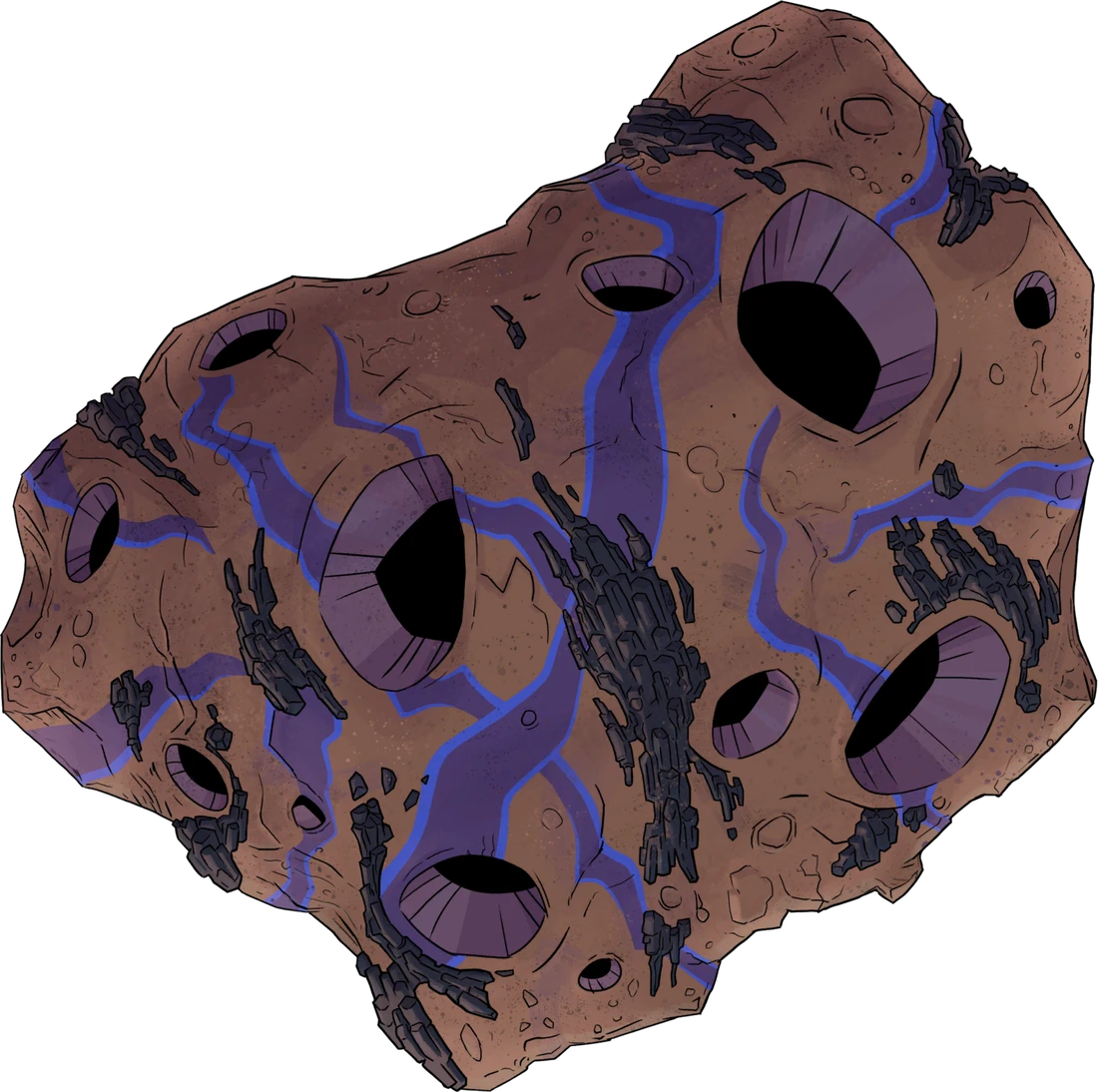
Demolior has 1,000 HP. This guide covers the 100 Intracosmic Blastshot, the material bill, the Blastshot Maker, the Meteor Blaster and the cycle deadlines.
Read →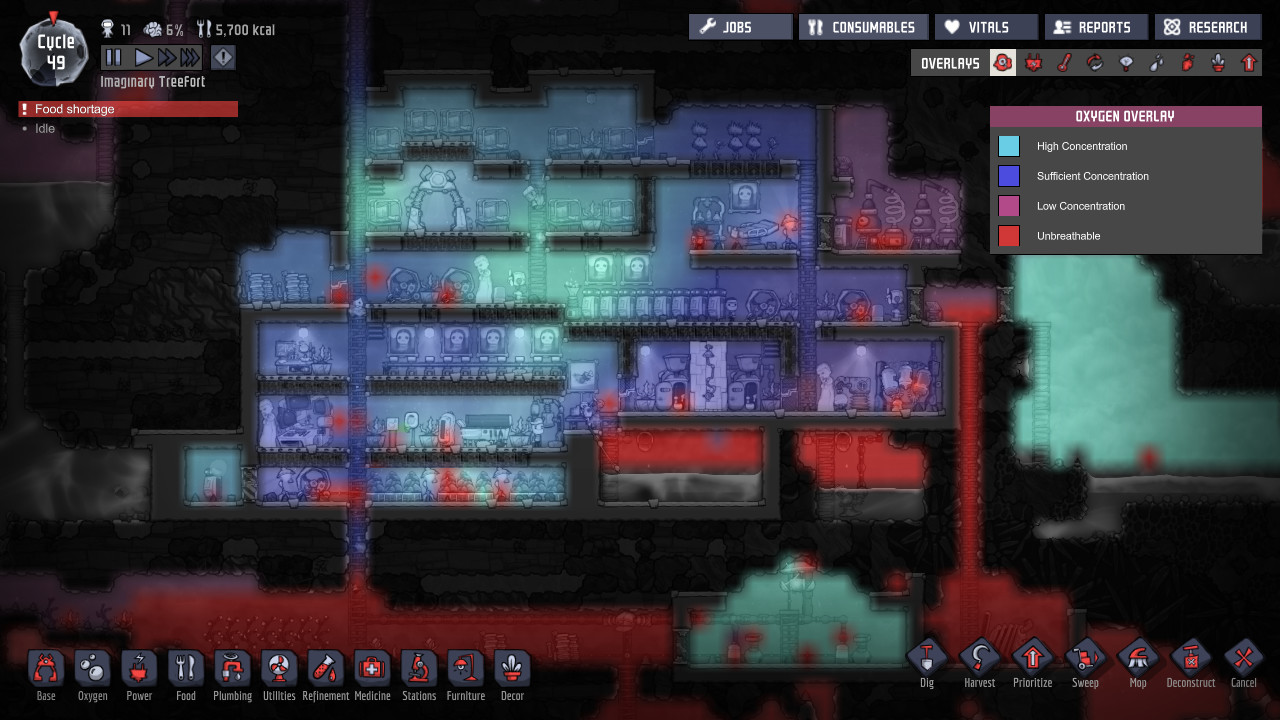
A practical SPOM build for eight Duplicants: one Electrolyzer, two oxygen pumps, one hydrogen pump, a Hydrogen Generator and the fixes for the usual failures.
Read →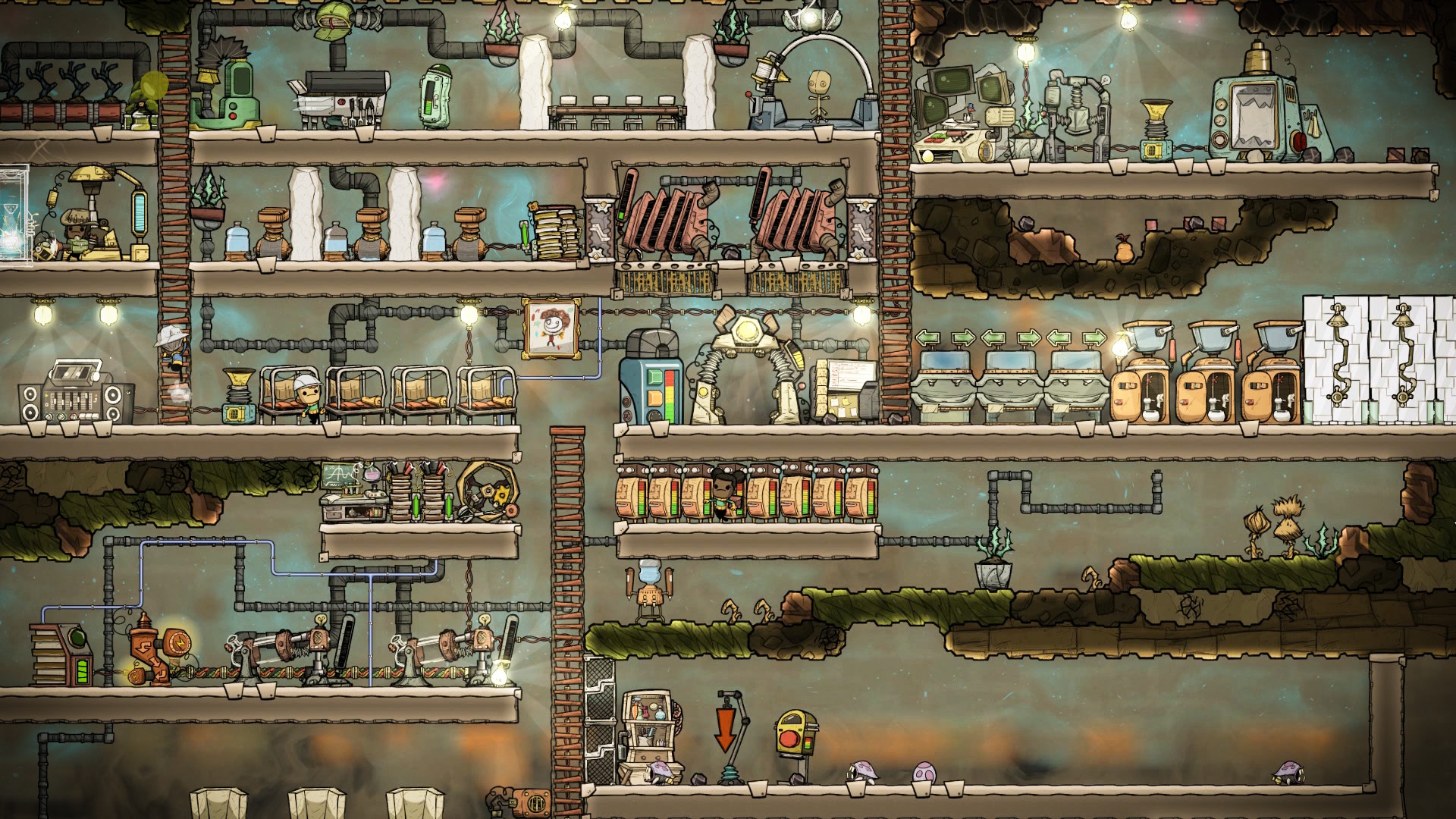
How the Thermo Aquatuner and Steam Turbine work together, which coolant to use, how many turbines one aquatuner needs, and why the loop stops.
Read →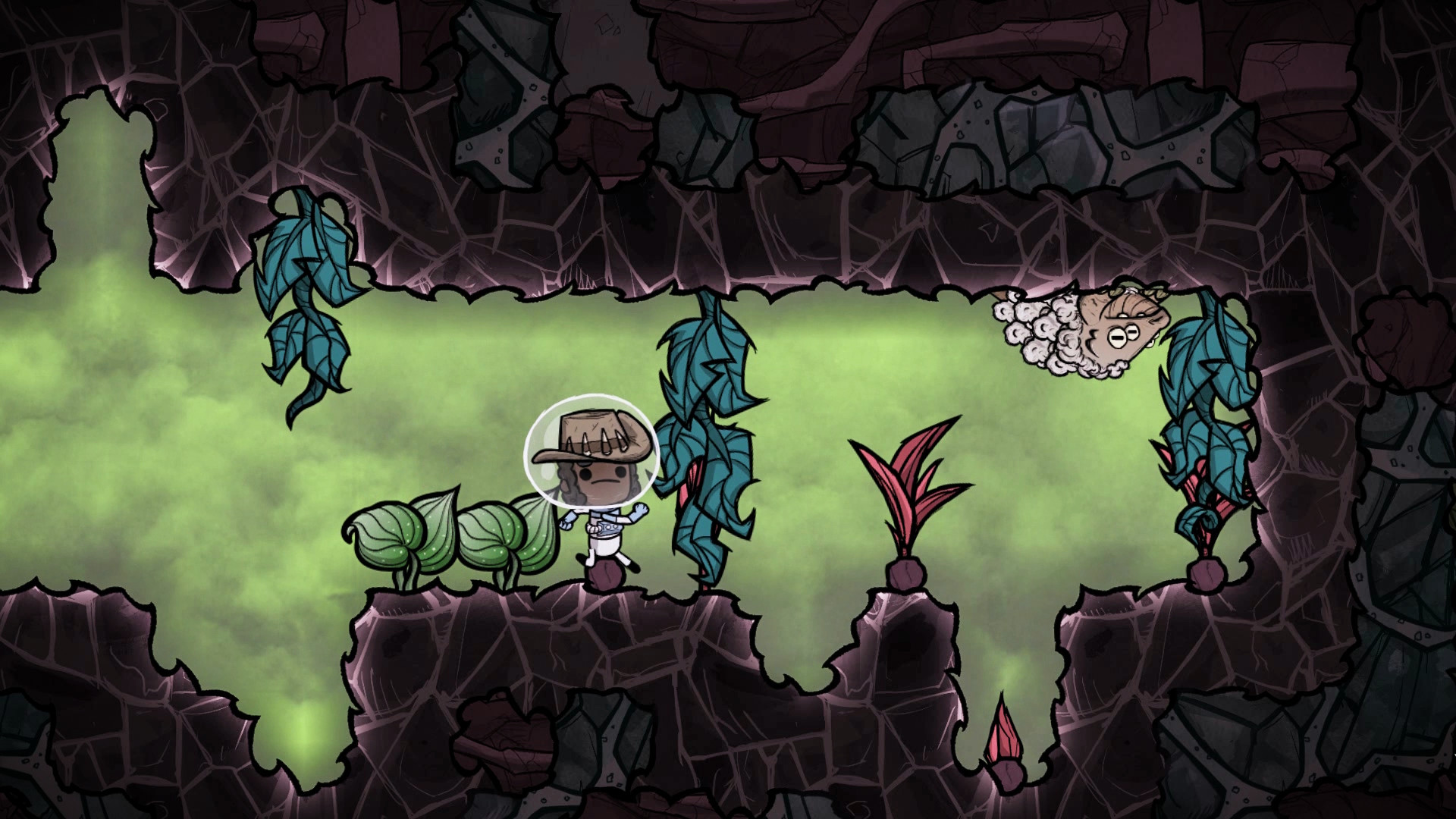
Six real uses for polluted water: bathroom loop, Water Sieve, Thimble Reed, Arbor Tree, Fertilizer Synthesizer and cooling, with the rates and trade-offs.
Read →
How geyser eruption, active and dormant cycles work, how to calculate average output, and how to tame a Cool Steam or Natural Gas Geyser.
Read →
A practical base layout for eight Duplicants: room sizes, a five-tile corridor, a utility spine, industrial separation and the mistakes that force a rebuild.
Read →How many Hatches you need for a Coal Generator or for food, how much rock they eat, how big a stable must be, and how grooming changes the ranch.
Read →How wire capacity, transformers, batteries and generator fuel work, with the numbers for a small life-support base and a SPOM.
Read →The ordered checks for a blocked gas or liquid pipe: full output, over-pressure vent, wrong element, bridge direction and pump placement.
Read →A Steam Turbine stops at 100 °C body temperature. Check the turbine cooling loop, steam temperature, water output and automation.
Read →No oxygen, no hydrogen, or an Electrolyzer that keeps stopping: check water, power, output pressure, gas pumps, pipe direction and room temperature.
Read →Build a bathroom loop with a flush toilet, sink, Water Sieve, reservoir and bridge, and understand the temperature, germs and why the loop stops.
Read →
How many Mealwood, Bristle Blossom, Dusk Cap or Sleet Wheat plants each Duplicant needs, with water, dirt, slime and temperature requirements.
Read →How liquid reservoirs, pitcher pumps and storage tanks work, how much buffer a geyser needs, and why a full reservoir is a blocked pipe.
Read →How a liquid lock works, how deep it must be, which liquid to use, and why a lock fails when the pressure difference is too high.
Read →How the Metal Refinery heats its coolant, why one refinery needs a real cooling loop, and how to set up the coolant, pipes and automation.
Read →A Natural Gas Generator burns 90 g/s for 800 W and produces polluted water and carbon dioxide. Here is how to size it and route the outputs.
Read →A practical opening order for Oxygen Not Included: toilets, beds, oxygen, food, power, research and the first cooling loop, with the numbers that matter.
Read →A practical research order for Oxygen Not Included: farming, sanitation, oxygen, gas piping, power, insulation and the techs behind a stable colony.
Read →Which Oxygen Not Included build these tools use, what changes with each DLC, and how the numbers are checked.
Read →A Steam Turbine needs 125 °C steam, enough steam mass, a clear water output and the right automation. Check those four before adding another turbine.
Read →An Aquatuner needs 1,200 W, a liquid input, a coolant that stays liquid and a loop that moves. Check those before replacing the machine.
Read →A Gas Filter needs 120 W, the right filter element and a clear output. The wrong element or a reversed bridge sends the gas back into the line.
Read →A gas pipe stops when the pump has no gas, the vent is over pressure, the pipe loops with no consumer or a bridge points the wrong way.
Read →An Oxygen Diffuser turns 550 g/s of algae into 500 g/s of oxygen at 30 °C. It supports five Duplicants, draws 120 W and is the oxygen source before a SPOM.
Read →Normal wire carries 1 kW, conductive 2 kW, heavy-watt 20 kW and heavy conductive 50 kW. A transformer limits the room circuit.
Read →A room bonus needs the right size, the required building and no forbidden building. Barracks, Great Hall, Bathroom and Laboratory are the four that matter most.
Read →A Coal Generator burns 1 kg/s of coal for 600 W, emits 20 g/s of carbon dioxide at 110 °C and adds 1 kDTU/s of self-heat. Plan the CO2 pit and the delivery.
Read →When you need your own numbers
These guides explain how a colony system behaves. When you have a real colony to check, the planners take your own cycle, duplicants and materials and work out what is missing.