GameToolForgeOxygen Not Included
Guide · U59 build

Liquid Lock Guide: Keep Gas In, Duplicants Moving

A liquid lock is a U-shaped liquid column that lets Duplicants pass but blocks gas. Depth and liquid choice matter more than the shape.

No save uploadFree, in the browser
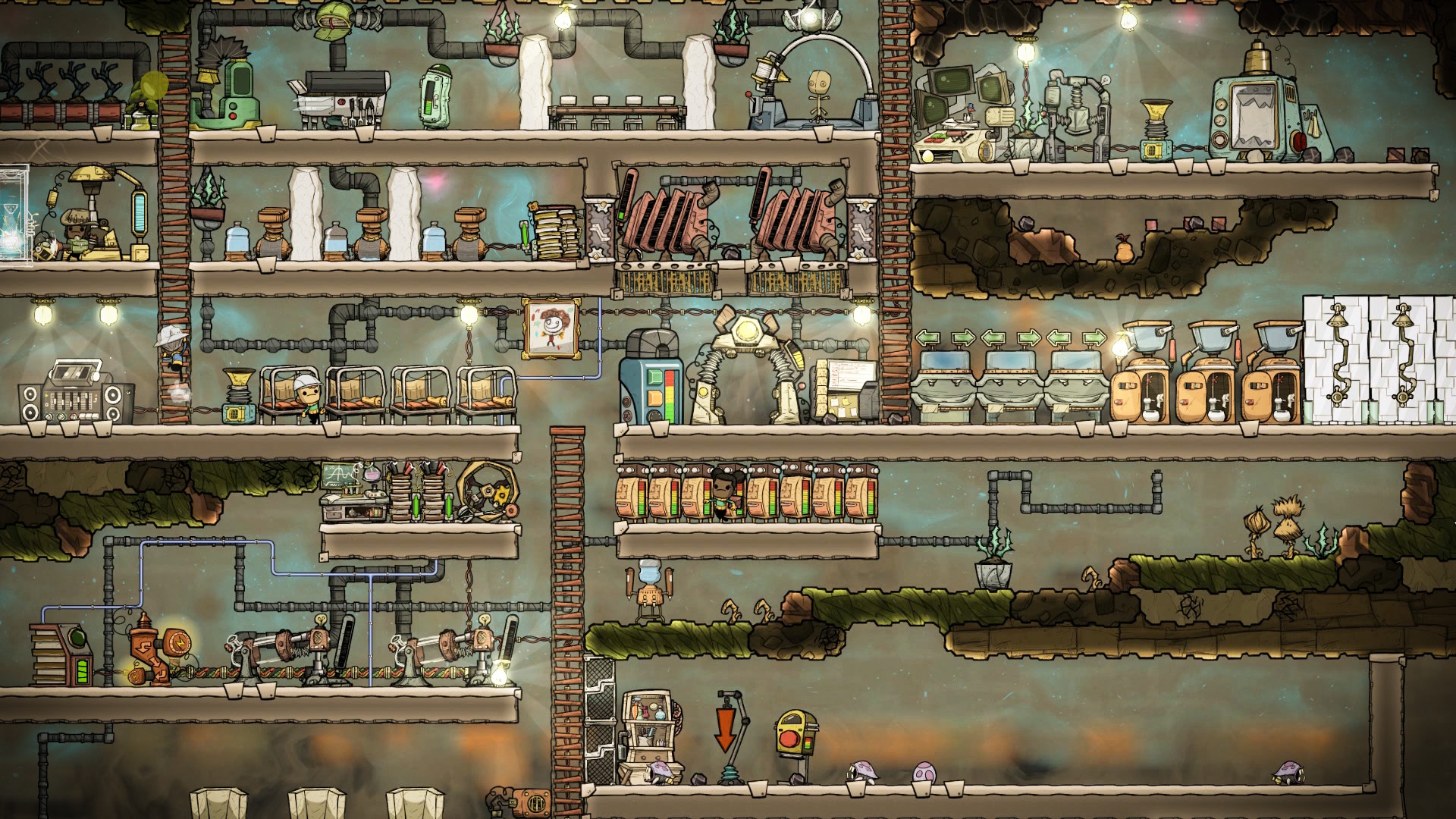
A base corridor with a liquid lock
01

How a liquid lock works

A liquid lock is a U-shaped column of liquid. Duplicants walk through it; gas cannot cross because the liquid fills the passage. The shape matters less than the depth and the pressure difference.

Two tiles of liquid on each side is the minimum; three is safer when the pressure difference is large. A one-tile lock leaks gas and is not a lock.

2 tilesliquid2 tilesliquid
Two tiles of liquid on each side of the U is the minimum. Three is safer when the pressure difference is large.
02

Which liquid

Water is fine for most locks. Polluted water freezes at -20.65 °C, which makes it useful in cold areas. Crude oil or petroleum is used where water would boil. The liquid must stay liquid in the room it separates.

A lock that disappears boiled, froze or was pushed out by pressure. Use a liquid with a wider temperature range and build a deeper lock.

03

The cost

Duplicants wade through the lock, so it slows them down. A short two-tile lock is faster than a long one. Once the transit tube is unlocked, it is the fast alternative for long-distance travel.

A liquid lock is not a door. It does not stop heat transfer completely and it does not stop a Duplicant from carrying germs. It stops gas, and that is the job.

Why a liquid lock does not need a door

A liquid lock uses two bodies of liquid with a gap between them. Gas cannot cross the gap while the liquid stays in place; a Duplicant can walk through and displaces the liquid only for a moment. The lock is a pressure seal, not a room. It works because the game treats the liquid cells as blocking tiles for gas exchange.

Keep the lock shallow enough to walk through and deep enough that a single splash does not empty a column. A two-tile-deep lock is the common starting point. If the liquid boils, freezes or gets pushed out by pressure, the seal disappears. Pick a liquid with a temperature range wider than both rooms.

  • Two liquid columns
  • One walkable gap
  • Check freeze and boil range
  • A door is not required
Questions

Common questions

How deep should a liquid lock be?

At least two tiles of liquid on each side of the U, and three is safer when the pressure difference is large. A one-tile lock leaks gas.

What liquid should I use?

Water is fine for most locks. Polluted water is useful in cold areas because it freezes at -20.65 °C. Oil is used where water would boil.

Why does my liquid lock disappear?

The liquid boiled, froze, or was pushed out by pressure. Use a liquid with a wider temperature range and build a deeper lock.

Does a liquid lock slow Duplicants?

Yes, they wade through it. A short two-tile lock is faster than a long one; the transit tube is the fast alternative once it is unlocked.