Unrest
Evict only when suburbia has room
Urban homes and apartments cannot be demolished while tenants are inside. You must evict them first, and evicted tenants need a free place in suburbia. If there is no room, the evict tool refuses and tells you to build more suburban homes.
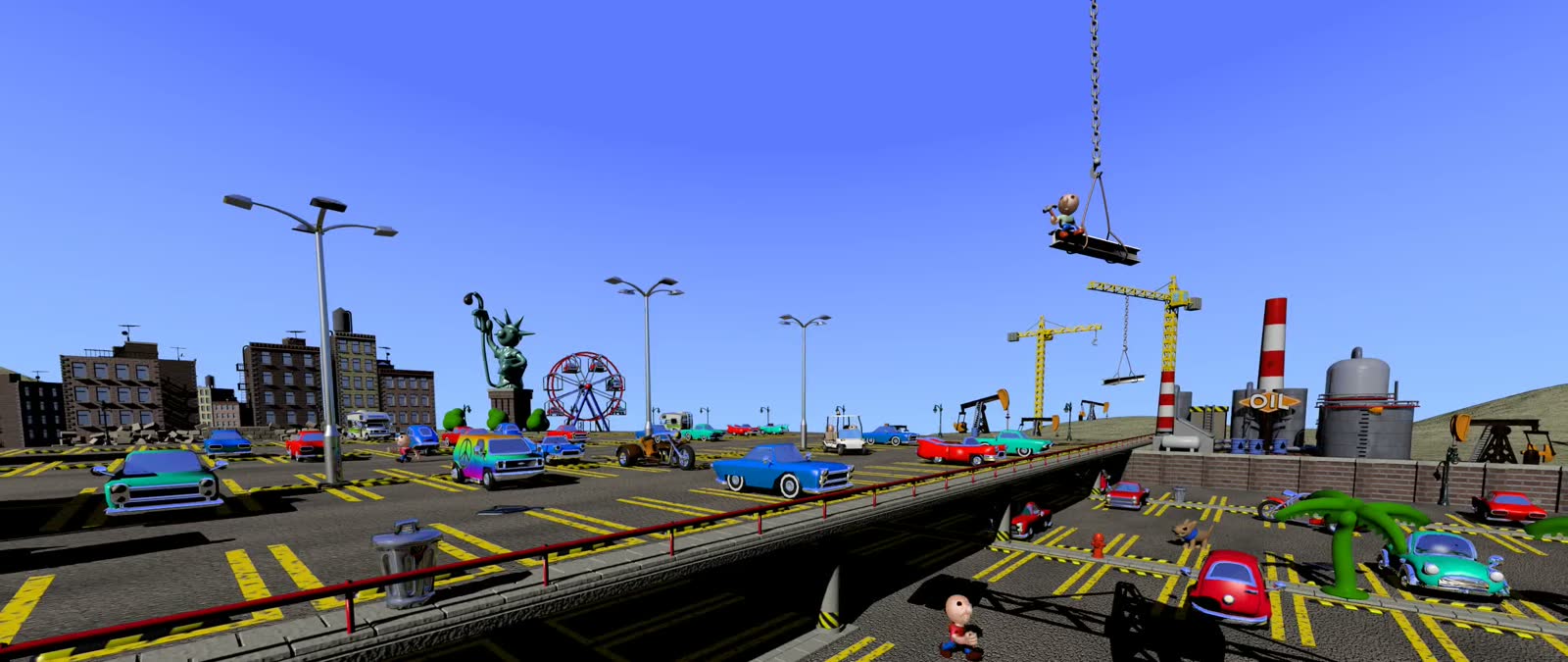
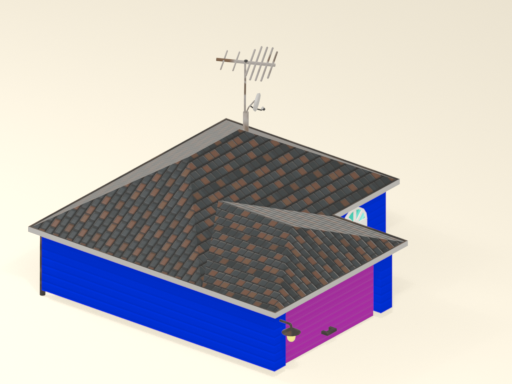
Housing capacity
| Home | People | Cars | Build | Notes |
|---|---|---|---|---|
| Suburban home | 2 | 2 | $1,000 | The standard destination for evicted tenants. |
| McCar Mansion | 3 | 3 | $1,800 | More capacity per building; unlocks at level 4. |
Urban apartments charge about $460 rent per tenant per day. Evicting them removes that income as well as the building. The trade is future parking revenue against current rent and unrest; do the math before clearing a whole block.
Who can be evicted?
Occupied urban homes and apartments are the buildings that block demolition. A tenant has to be moved before the building can come down. The game refuses the eviction when suburbia has no free place, so “evict” is really a two-step move: create the destination, then move the tenant.
An empty building does not need an eviction. Check whether the home is actually occupied before spending on suburbia; clearing an empty block is just a demolition.
The rent trade
Urban apartments charge about $460 rent per tenant per day. A single parking bay can earn more than that at a good fee and occupancy, but a block of apartments earns rent from every tenant without asking you to build a lot, pave a road or pay barrier upkeep. Clear a block only when the parking revenue you gain is clearly larger than the rent you give up.
Add the unrest cost to the comparison. A protest can empty nearby lots and force you to buy a riot garage, a fire engine or a junkyard. The true cost of an eviction is the lost rent plus the service you may need afterward.
The safe order
- Build the suburbia first. Enough homes for every tenant you plan to evict, with road access.
- Check the new homes are connected. A suburban home with no road cannot take tenants.
- Evict one building. Watch the unrest meter before doing the next.
- Demolish only after the tenants are out. The game blocks demolition while anyone is inside.
- Have a calming plan. Propaganda or plastic trees if the meter stays high.
What can go wrong
- No free suburban home. The evict tool refuses; build and connect the destination first.
- The suburban home has no road. Tenants cannot move into a disconnected house.
- The unrest meter was already high. Another eviction can push it into a protest before the new parking lot earns anything.
- You demolished the wrong building. Clear only the block that blocks the lot; rent from the rest is still income.
A checklist before clearing a block
- Count the tenants and confirm enough free suburban homes.
- Check each new home has road access.
- Check the unrest meter is low enough for another move.
- Have a calming plan: propaganda, plastic trees or a pause.
- Clear one building, watch the meter, then decide on the next.
When not to evict
If the building is not in the way of a high-demand lot, leave it. Rent is steady income, and eviction adds unrest. Clear only what blocks the parking loop you actually need.