Unrest
Unrest is a response to what you changed
The Civil Unrest meter shows how likely a protest is. It is not random weather: it moves when you evict tenants, remove homes or public transport, pave a large area, or build oil infrastructure. The first useful question is not “how do I lower the meter?” but “what did I just do?”
Unrest is not the same as Carbrainess
Carbrainess is how willing drivers are to pay for car services. Unrest is how likely the city is to protest. A city can be highly Carbrained and still angry about evictions, a refinery or a demolished home. Do not fix an unrest spike by raising parking fees; the two meters move for different reasons.
Propaganda raises Carbrainess over time and can help the mood, but it does not replace a fire engine at a burning car. Plastic trees lower environmental pressure, but they do not reopen a shop that protesters are blocking.
What pushes it up
| Action | Why it matters | What to do |
|---|---|---|
| Evicting urban tenants | Tenants lose their home. | Build suburbia first; add propaganda or trees if the meter stays high. |
| Removing homes or public transport | Removes walkable options. | Plan the replacement before the demolition. |
| Paving a large area | Less green space, more asphalt. | Place plastic trees or keep a strip of green space. |
| Pumpjack | Environmental placement pressure. | Keep it away from paid lots and homes. |
| Oil refinery | Stronger environmental placement pressure. | Budget for trees before you place the refinery. |
What brings it down
Plastic trees are the direct environmental answer. Propaganda is the slow social answer. Police, fire and towing do not lower the meter; they clear the incident so the city can recover.
| Service | Build | Daily | Use it for |
|---|---|---|---|
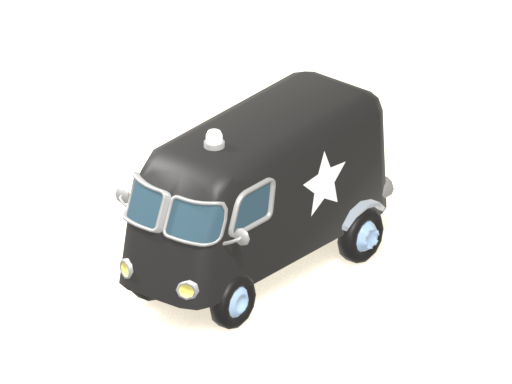
| Riot Control Truck Garage | $2,000 | — | Blocked shops and riots. |
| Fire Engine Garage | $2,000 | — | Burning cars and buildings. |
| Tow Truck Garage | $2,500 | — | Wrecks and abandoned cars. |
| Junkyard | $4,000 | $1,000 | The tow truck’s destination; holds 32 vehicles. |
| Plastic Tree Factory | $6,000 | $5,000 | Placed trees that reduce unrest. |
What not to do
- Do not buy every garage. A fire engine cannot arrest a protester, a riot truck cannot put out a fire and a tow truck cannot reopen a shop.
- Do not raise the parking fee during a protest. The meter is not a price signal; a higher fee can empty the lot while the incident is still active.
- Do not put the junkyard beside the lot. Its demand penalty is strong enough to keep the lot empty after the wreck is gone.
- Do not keep evicting. If the meter rose after an eviction, build suburbia and wait before clearing another block.
After the protest ends
Clear the active incident first, then remove the remains. A burnt car becomes a wreck; a tow truck and a junkyard clear it. Only after that should you spend on the cause: trees for industry, suburbia for evictions, a replacement bus stop or subway entrance for public transport. The lot can recover before the meter does, so watch the demand heatmap rather than only the protest icon.
The order that works
- Clear the active incident. Riot police for a blockade, fire engine for flames. Do not build a junkyard while the shop is still blocked.
- Remove the remains. A burnt car becomes a wreck; a tow truck and a junkyard clear it.
- Remove the source. If the meter rose after a refinery, add trees or move the industry. If it rose after evictions, stop evicting until suburbia has room.
- Rebuild the mood. Billboards and statues raise Carbrainess over time. They are not a fire brigade.
The unrest advisor turns the symptom you can see into the first three actions. It does not read the meter; it reads the service that fixes the symptom.