Scenarios
Three maps, three different first moves
The game ships with three scenarios. They share the parking loop but start with different money, a different map and a different objective list. The tutorial is the fourth start and the best place to learn the controls.
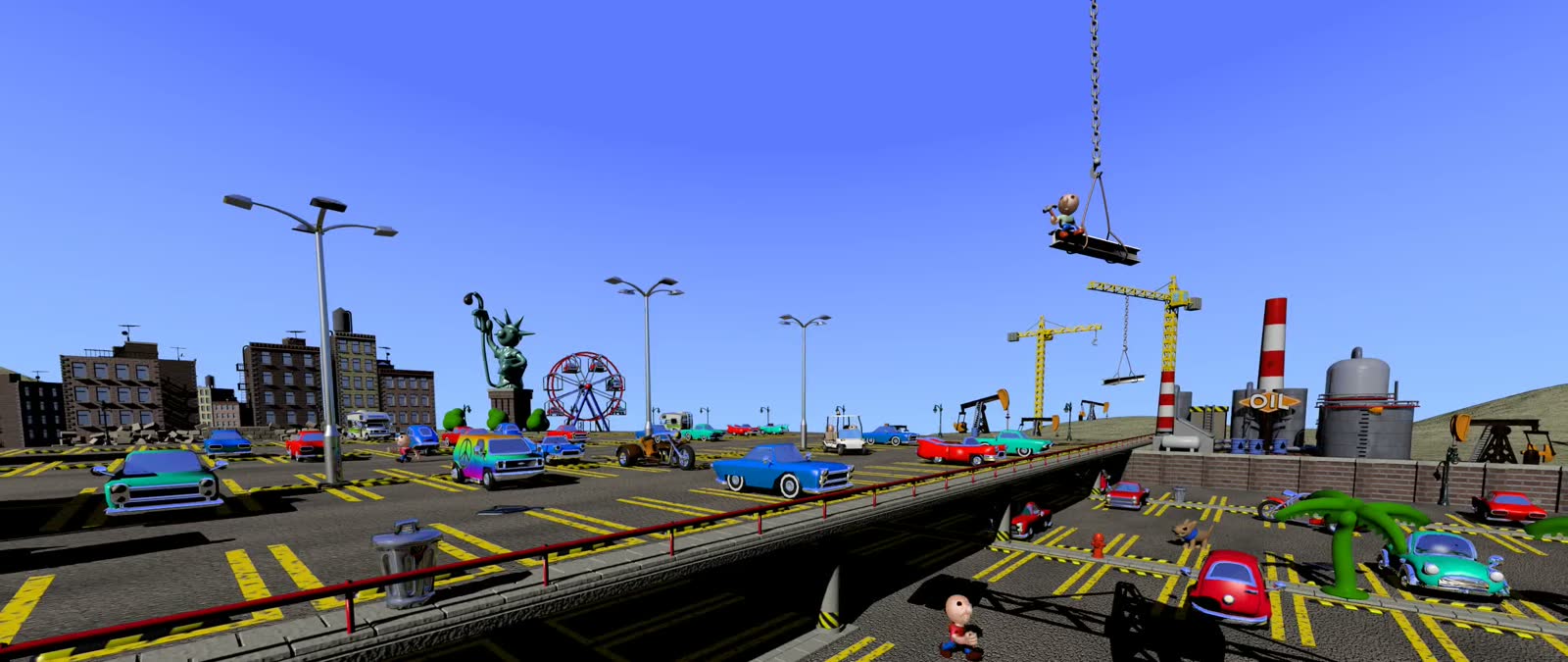
Starting terms
| Scenario | Funds | Max loan | Interest | Initial owners | Map |
|---|---|---|---|---|---|
| Baldtown City | $60,000 | $100,000 | 10% | 32 | 512 × 512 |
| The Pyramids of Giza | $80,000 | $100,000 | 10% | 50 | 512 × 512 |
| Gulf of Freedom (Florida) | $70,000 | $100,000 | 10% | 15 | 512 × 512 |
Recorded objectives
| Scenario | Objectives | Map anchors |
|---|---|---|
| Baldtown City |
| 377 office desks · 80 city apartments · 33 subway entrances · 104 train platforms |
| The Pyramids of Giza |
| 8 bus stops · 12 subway entrances · 75 egypt apartments · 52 train platforms |
| Gulf of Freedom (Florida) |
| 76 beach chairs · 57 office desks · 28 boats · 495 palm trees |
Which scenario should you start?
Start with Baldtown City if you want the clearest parking lesson. The office towers put demand in one place, the city center is dense, and the first lot teaches fee, occupancy and Carbrainess without asking you to manage an island chain. The Pyramids is the better second map: it adds a landmark objective and a large plot, but the tourist flow is easy to understand. Florida is the most different because water, boat cars and the amusement park change the route.
Do not pick a map for its starting balance alone. The $80,000 Pyramids start looks generous, but the daily-profit objective and the plot restriction decide the game. The $60,000 City start is tighter on purpose; the first lot has to earn before you expand.
What carries between the maps
All three scenarios use the same parking loop. A car needs a destination, a closed lot, a fee it accepts and a reason to come back. The production chains, drive-thru queues and service garages are the same. What changes is the anchor and the objective:
- City: offices and apartments create demand; subway entrances and train platforms pull it away.
- Pyramids: the landmark concentrates tourists; the objective asks for daily profit inside its plots, not just parking income.
- Florida: beaches and islands spread demand; boat cars and the amusement park change what counts as a reachable destination.
Each map also starts with a different vehicle-owner count. City starts with 32, Pyramids with 50 and Florida with 15. That changes how quickly the first car owners appear, but it does not change the first rule: put the lot where the destination is.
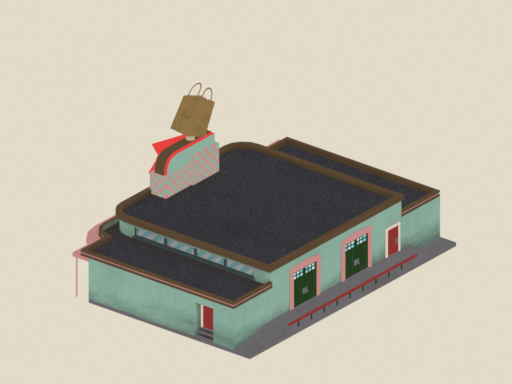
Baldtown City
Office towers, apartments and public transport in a dense city center.
Start: $60,000 funds, $100,000 maximum loan, 10% interest, 32 initial vehicle owners.
Objectives: Sell 400 cars; Have 7 cars parked at once; Make $75,000 profit; Reach 75% Carbrainess; Have 7 suburban residents.
Anchors: 377 office desks, 80 city apartments, 33 subway entrances, 104 train platforms.
The office desks are the strongest parking anchor, but the subway entrances and train platforms pull drivers away. Start with a lot beside the offices, then decide whether removing public transport is worth the cost and the unrest.
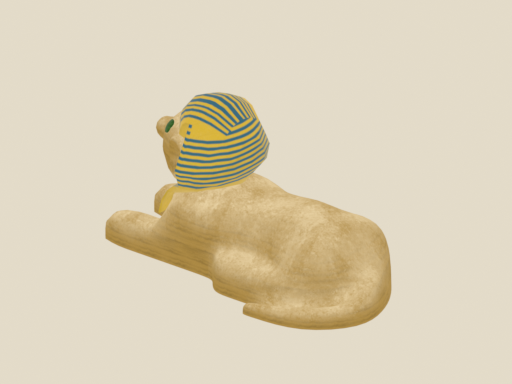
The Pyramids of Giza
Tourist landmark, bus tours and a large plot around the Pyramids.
Start: $80,000 funds, $100,000 maximum loan, 10% interest, 50 initial vehicle owners.
Objectives: Make $75,000 profit; Have 6 cars parked at once; Remove 8 bus stops; Make $50,000 daily profit inside the Pyramids.
Anchors: 8 bus stops, 12 subway entrances, 75 egypt apartments, 52 train platforms.
The Pyramids objective is not just a parking lot; it wants businesses inside the landmarks to generate daily profit. Build the parking and drive-thru loop first, then put the profit-making businesses in the marked plots.
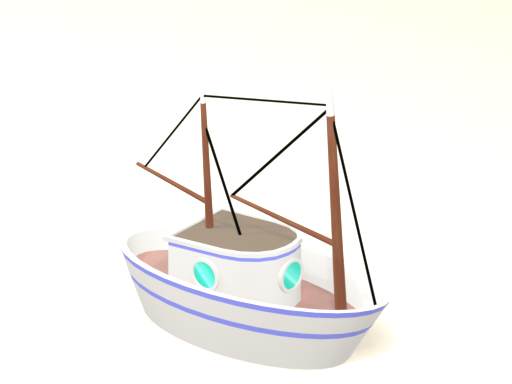
Gulf of Freedom (Florida)
Islands, beaches, boat cars and an amusement-park opportunity.
Start: $70,000 funds, $100,000 maximum loan, 10% interest, 15 initial vehicle owners.
Objectives: Have 7 cars parked at once; Make $82,000 profit; Reach 30% Carbrainess.
Anchors: 76 beach chairs, 57 office desks, 28 boats, 495 palm trees.
Beach chairs and offices both create demand. Use boat cars to link islands that a normal road cannot reach, and keep the first lot close to the beach rather than the middle of the map.