Production
From a dirty hole to a full pump
The fuel chain is the longest in the game and the easiest to build out of order. Each stage has a small storage, and the storage is where the chain stops.
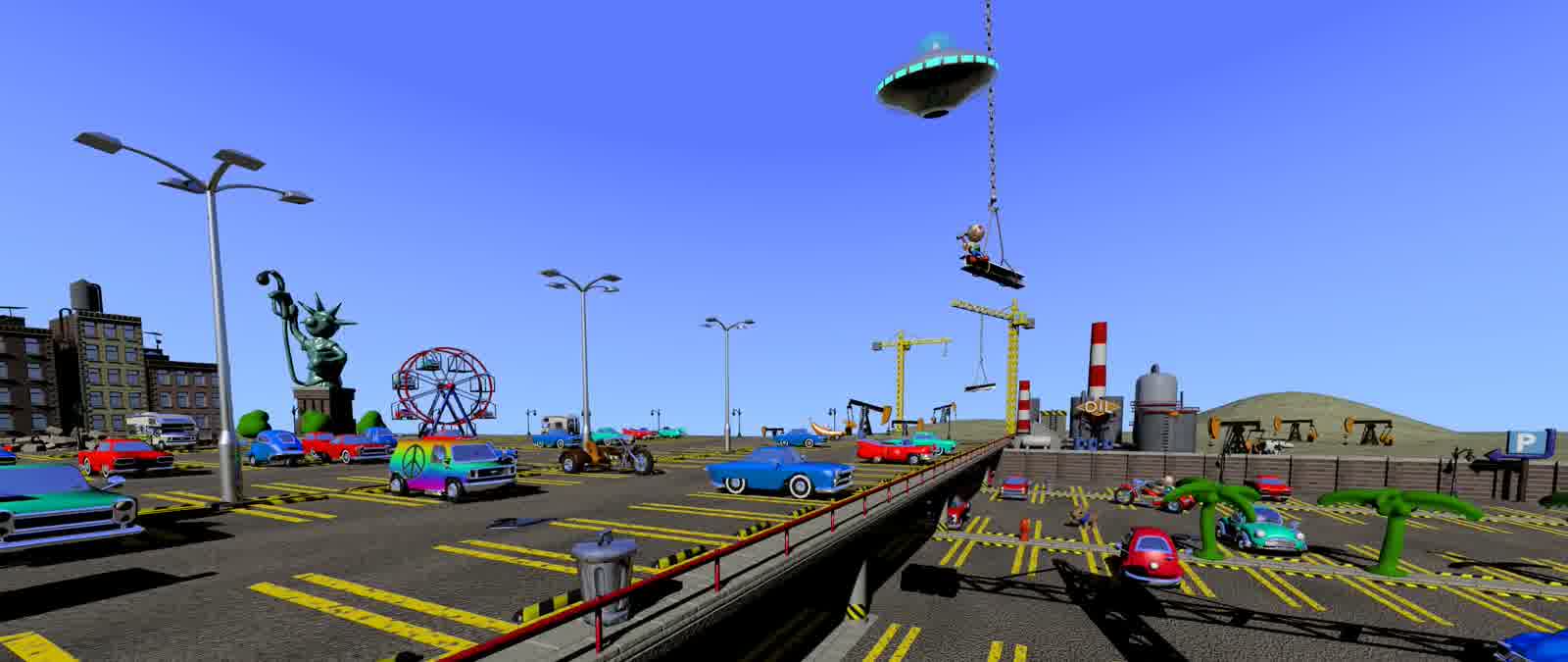
The five stages
| Stage | Build | Daily | Rate | Storage |
|---|---|---|---|---|
| Pumpjack | $500 | $1,400 | 1 crude / 40 units | Produces on site |
| Crude Oil Transportation | $400 | — | Gathers within 16 tiles | 16 crude |
| Oil Refinery | $3,000 | $3,500 | 2 gasoline / 15 units | 16 in · 48 out |
| Gasoline Transportation | $500 | — | Gathers within 16 tiles | Carries to stations |
| Gas Pump | $1,000 | $500 | Sells to drivers | Needs stock |
The one ratio to remember
One refinery consumes one crude and makes two gasoline every 15 units. In a 900-unit day that is 60 crude in and 120 gasoline out. One pumpjack makes one crude every 40 units, or 22.5 a day. So one refinery at full rate needs three pumpjacks.
If you build one pumpjack and one refinery, the refinery runs at a third of its capacity and still charges the full $3,500 a day. That is the most common fuel-chain mistake.
Why the refinery stops
- No crude. Its 16-unit crude storage is empty. Add pumpjacks or move the collection garage within 16 tiles.
- No road. The refinery has a road connection on one side. If the collection truck cannot reach it, no crude arrives.
- Full output. The 48-unit gasoline storage is full because no loading station is collecting. Add a Gasoline Transportation garage.
- No buyer. The gas pump has no stock or no customers. A pump is a seller, not a producer; it cannot make fuel.
Where to put the pumpjack
A pumpjack is cheap to buy and expensive to live beside. It removes 550 parking demand in a 16-tile radius, which is larger than the +48 from a big-box store. Put the pumpjacks together in an industrial area, outside the circle of any paid lot, and keep the collection garage within 16 tiles of them.
Spacing the wells too far apart does not help the chain; it just makes the truck route longer. One collection garage can gather from several pumpjacks, so cluster them around the garage rather than scattering them across the map.
Why the gas station is not the problem
When a gas pump has no fuel, the first instinct is to build another pump. The pump is the seller, not the producer. Check the refinery’s gasoline storage and the loading station first. A second pump on an empty chain adds $500 build cost and another $500 a day without making a single litre of fuel.
The same logic applies to the refinery: a second refinery with no crude is a second $3,500 daily bill. Fix the upstream stage before adding a downstream one.
Oil spills and pollution
Oil spills are temporary road hazards that disappear after 60 to 600 time units. They slow traffic while they last, but they are not a permanent block. Pumpjacks and refineries also pollute and lower nearby parking demand: a pumpjack removes 550 demand in a 16-tile radius, a refinery the same in 20 tiles. Keep them away from the lot you want to fill.
A safe first build
Start with one gas station and one refinery, fed by three pumpjacks, all connected by road. Watch the refinery’s gasoline storage for one game day. If it fills, add a loading station or a second station before adding a fourth pumpjack. If it stays empty, add a pumpjack.