Is Doki Doki Literature Club Scary? What the Warning Covers
Yes, and the game says so before the first scene. Doki Doki Literature Club starts as a school romance and then becomes psychological horror, with depression, self-harm and suicide named in its opening warning.
The notice is part of the game
The warning appears before the clubroom, the poems or any of the four members. It says the game is not suitable for children or for people who are easily disturbed, and it names depression, self-harm and suicide as themes.
That notice is easy to read as a joke from a game with a pink logo. It is not. The story that follows earns the warning, and the cheerful opening makes the turn hit harder.
The notice is also short. It does not say when the difficult material arrives, which member it involves or how explicit a scene becomes. Those details belong to the story, and some players prefer to meet them in order.
Three shifts, in the order you meet them
The change is gradual. Knowing which layer is moving helps separate ordinary story tension from the material the warning describes.
| Layer | What changes | How it presents |
|---|---|---|
| Tone | The club days stop feeling safe. | Small changes in text, sound and menus that the story never explains. |
| Genre | A school romance becomes psychological horror. | Conversations that began as ordinary stop following the rules of a school story. |
| Subject | Depression, self-harm and suicide move to the center. | Characters discuss these subjects, and the plot depends on them rather than using them as background detail. |
Why the opening reads as a romance
The first stretch is not a trick played on a careless player. It uses the real ingredients of the genre, which is why it works.
- An invitation with no threat in it
You are asked into a small after-school club, meet four members and learn their names. Nothing in those first scenes asks you to distrust them.
- Poems instead of combat
Progress comes from choosing words and talking to people. The loop is calm, repetitive and easy to settle into, which makes the club feel like a routine.
- Choices that look like dating routes
Spending time with one member and picking words she likes resembles a romance route, so the story reads as a question about who to get close to.
- A palette that agrees with the mood
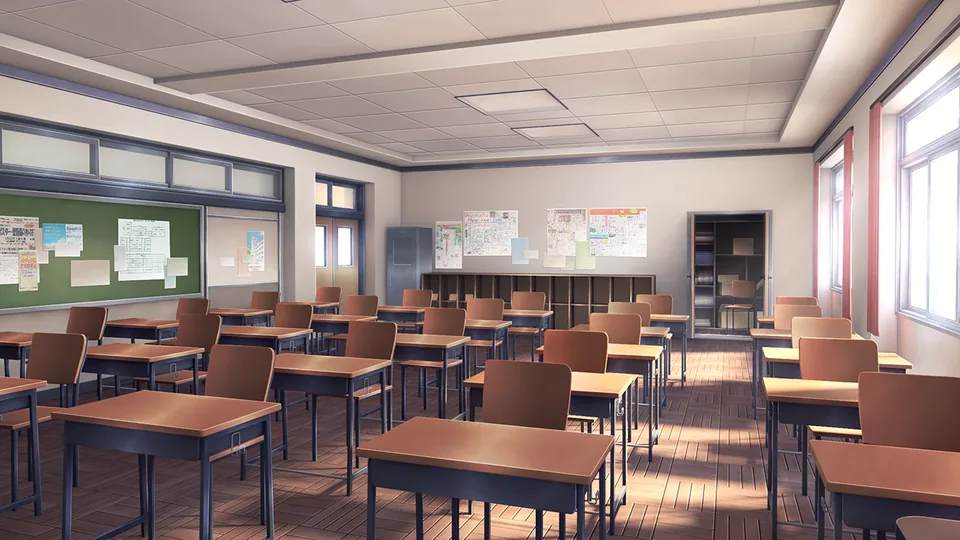
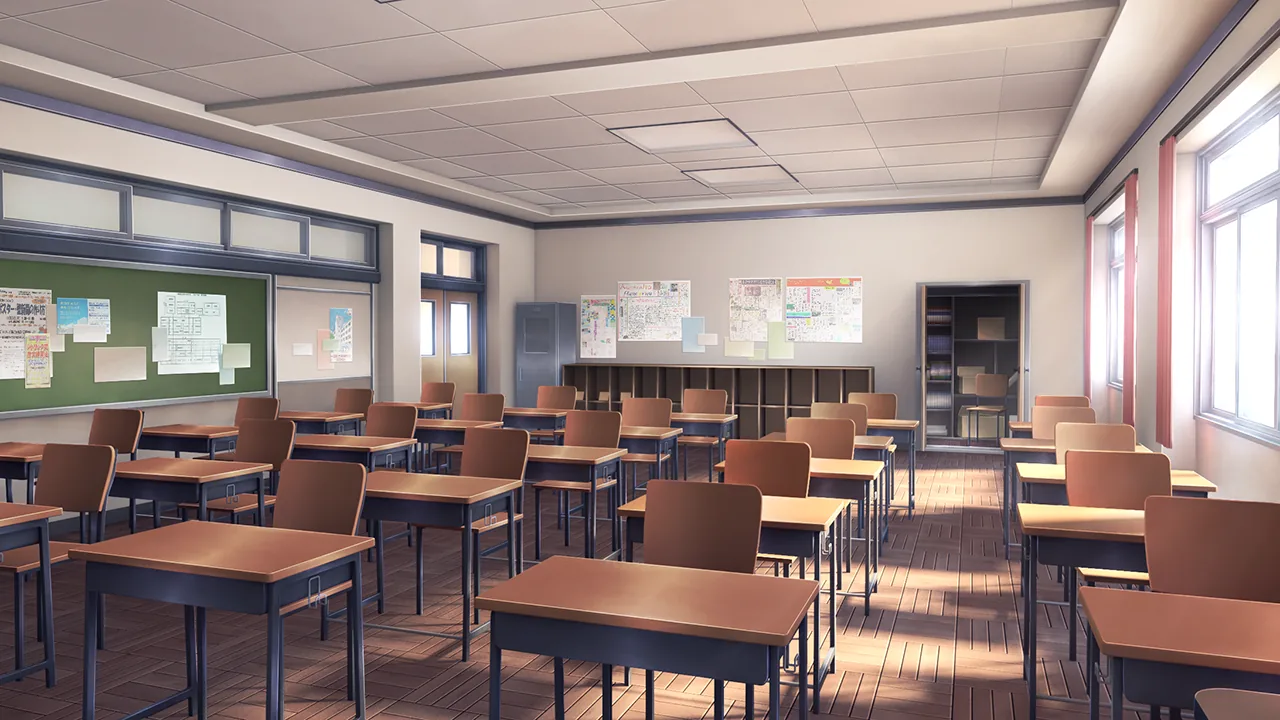
Bright rooms, a gentle theme and everyday school scenery tell you how to feel long before anything unusual happens.
Unease that builds between scenes
Much of the horror is psychological rather than visual. The game makes ordinary systems feel unreliable: a menu behaves differently, a line addresses the person at the keyboard, a sound arrives without a visible source.
The result is a slow watchfulness. Quiet scenes carry as much weight as loud ones, because the story has taught you to expect a change and then withholds it.
The unsettling part is often the gap between the club story you were promised and the one you are being told, rather than a single shocking image.
The familiar cast raises the stakes
A warning about a subject is abstract. The game makes it personal by attaching the difficult material to four people you have spent scenes with, whose jokes, arguments and quiet moments you have already heard.
Sayori, Natsuki, Yuri and Monika are introduced as club members with ordinary worries before the story asks you to take their distress seriously. That is why the horror can follow you out of the room: it is not a stranger's story by the time it turns.
Lower the impact without skipping the story
The content is fixed, but the circumstances of playing it are not. These choices keep the difficult material at a distance you control.
- Read the warning twice
Once before launch, once after the first act. The second reading is easier to judge against what you have actually seen.
- Pick a stopping rule first
Decide before you start that you will stop at the next act break, save point or difficult scene, rather than deciding in the moment.
- Keep sessions short
One act, or one club day, is enough for a sitting. A tired player has less room to notice when the mood is affecting them.
- Use the save points
Keep a save before each poem, before the weekend choice and before the confession, so stepping away does not cost progress.
- Lower the volume and raise the lights
A quieter, brighter room makes sudden sound and visual changes less jolting without removing them.
- Tell someone you are playing it
A friend in the room or on a call gives you an easy way to pause and talk if a scene lands badly.
- Take a break between acts
Stand up, leave the room and do something else for a while. A break works better before the mood settles than after a scene has already landed.
- Leave the optional hunt alone
Secrets and extra endings are not going anywhere. Chasing them on a first pass adds exposure without adding to the main story.
- Stay inside the act you are playing
Open the walkthrough for the current act only, not the next one. Reading ahead trades surprise for information you cannot unlearn.
When the game is a bad fit
This is not a diagnosis. It is a list of situations where the themes are likely to cost more than the story gives back.
| Situation | A safer choice |
|---|---|
| Depression is active right now | Wait. The story spends a long time on hopelessness and does not offer a neutral view of it. |
| Self-harm or suicide has touched your life recently | Skip it, or play only with someone who knows the material and can stop with you. |
| You play games to unwind | Choose something else for that purpose. This one is designed to leave a mark. |
| You are still a child | Wait until you are older. The warning is not a formality. |
| You want the cute club story only | There is no mode that removes the turn. The opening is not the whole game. |
What a warning cannot decide for you
A warning can name a subject but cannot predict your reaction to it. Two people can read the same scene and come away with very different evenings, so the useful question is not whether the game is frightening in general but whether this is a good week for it.
That is why the choice belongs to you rather than to a rating. The game supplies the subject list; only you know the rest.
Four questions before the first scene
None of these has a correct answer. They are easier to answer before the opening than in the middle of a difficult chapter.
- Is tonight already heavy?
If the day has been hard, the game will add to it. A lighter evening is a better start.
- Do I have a way out?
Know where the save points are and how to quit. An exit you have already planned is easier to use.
- Am I playing for the story or for the reputation?
If the reason is that everyone else has played it, waiting costs nothing.
- Does someone know where I am?
A friend who expects a message afterward is a small but real safety net.
The ordinary rooms before the turn