The copies
Doppelgangers feed on guilt
They are not just doubles. The game’s own dialogue says they come from fear, insecurity and guilt, and that letting those feelings take over lets the copy take the body.
Town history
The store is the foreground. Behind it is a town that has been losing people for decades: a buried serial killer, a calendar of victims, a taskforce that posts warnings instead of answers, and a forest that talks.
Midnight Town is a small town with a big predator problem. The store is the last place where the town still checks who is real.
The copies
They are not just doubles. The game’s own dialogue says they come from fear, insecurity and guilt, and that letting those feelings take over lets the copy take the body.
The town
The Non-human Eradication Taskforce posts the warnings, but the town still has missing residents, a closed bridge, a serial killer and a store that keeps getting attacked.
The story
The frame story is small: a sick pet, a dangerous job and a choice about Clyde. That small story is what the endings are actually about.
The clearest explanation comes from a customer who has already lost someone to them.
“You know that doppelgangers are more than just copies of people right? They stem from your fears, insecurities, and guilts.”
“And I’ve heard, if you let that negative emotion overwhelm you, the doppelganger will take over your body.”
Tommy Delgado, in-game dialogue
They are not only a face swap. They know the town, the names and the routines. The record still catches them because the record is factual and the copy is working from a story.
You do not need to understand the metaphysics to survive a shift. Scan the card, compare the record, ask about a listed detail. The lore explains the horror; the procedure keeps you alive.
Open the doppelganger guide →The town’s newspapers and taskforce warnings carry most of the backstory. They also carry evidence you can use against a lying customer.
The taskforce treats the Entity as a known hazard: blind, drawn by sound, vulnerable to fire. It treats the Demented as a creature that must be trapped, not shot while observed. It tells employees to rewind the jack-in-the-box before the song finishes three times.
What it does not say is whether the taskforce can actually stop the outbreak. The warnings are practical, not reassuring.
Read the threat files →
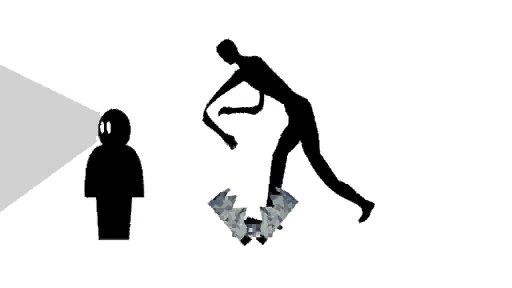
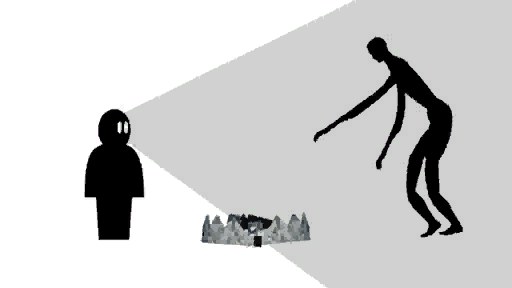
The story’s closing monster is also the town’s oldest ghost.
Forty-five years ago, a killer called the Dentist roamed Midnight Town and removed his victims’ jaws. He was buried here. Now a tall, emaciated figure with a slack broken jaw and bandaged hands is doing the same thing again.
The game’s article warns survivors to run, not hide, not speak and not look back. The fixed appearances are on shifts 4, 9 and 11.
Full Dentist guide →The Dentist is the point where the store job stops being a monster-of-the-week problem. It is the thing waiting at the end of the run, and it is tied to the final sequence.
The pet’s surgery arc runs alongside it. The horror is not only in the chase; it is in the choice about what you are willing to trade to keep the pet alive.
See the ending routes →A serial killer who kills eight people on the 8th of every month. The news is real; the in-store monster is not.
Articles and a TV broadcast describe the Calendar Killer’s pattern: eight victims on the 8th, going back for months. A broadcast warns that the killer is scheduled to be active tomorrow. The paper also notes a month when the killer did not strike.
There is no separate Calendar Killer boss with a health bar in the game. It is a story threat and a source of evidence.
If a customer mentions the 8th, the victims or a recent attack, check the date and the article. A story that lines up with the news is not proof of humanity, but a story that contradicts it is another mismatch.
Calendar Killer in the threat index →The forest is not just a place to dump limbs. Something under the antlers is awake, and it knows what you did.
“Guilt...born... thank you...”
“You... owe us life...”
“We know... you are kind...”
The forest voice, in-game dialogue
The voice has a different line depending on whether you killed a monster before the shrine event. One thanks you for guilt; the other says it knows you are kind. Either way, it asks you to come into the forest.
The shrine fills in three stages with the event bucket. Completing it plays a scene and releases tokens near the shrine. It is a transaction, not a boss fight.
Bucket and shrine steps →Not every strange person is a copy. The game records several humans who look wrong for a reason.
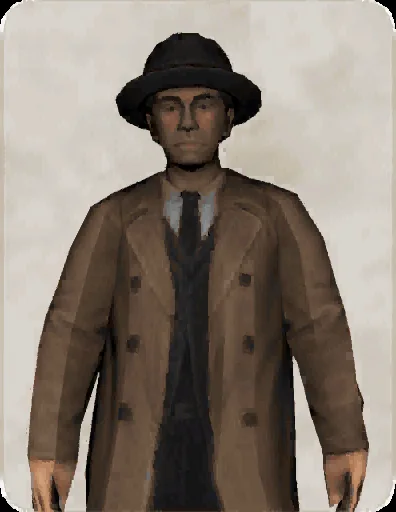
A private investigator. The case file records him as human in cases 128, 129 and 146. He is part of the town’s small details, not a confirmed special monster.
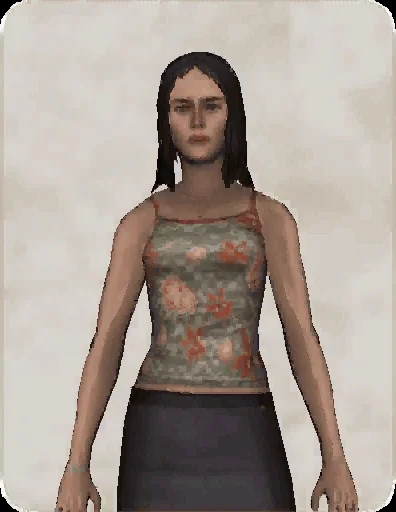
The manager calls ahead: one leg is shorter than the other. She walks strangely, and she is human. This is the game’s cleanest warning against shooting on appearance.
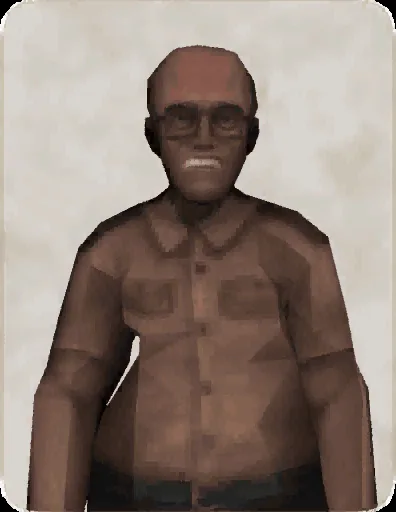
The sheriff, the tutorial voice and the man at the center of the Grave Decision. The same face appears as a copy in another recorded case, which is exactly why names cannot be trusted.
The apocalypse is the background. The foreground is a bill you cannot afford.
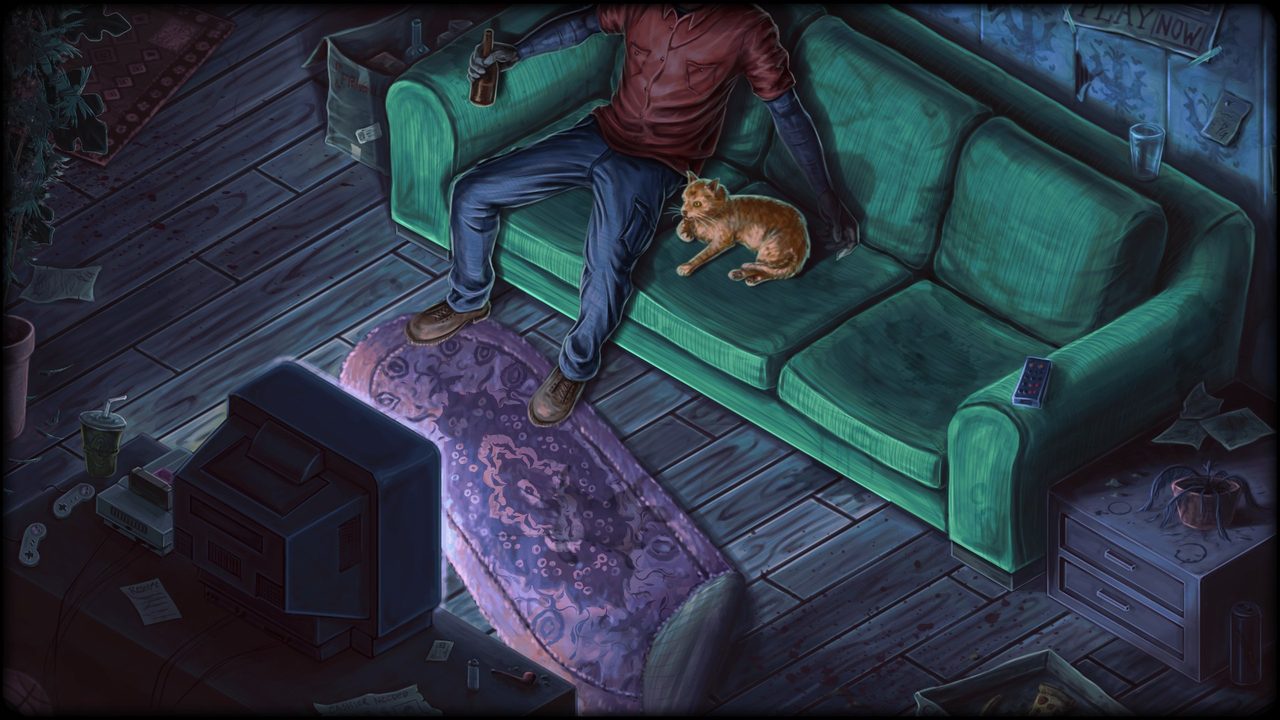
The pet is sick. The medicine bill arrives first, then the vet says medication is no longer enough and quotes a $250 surgery with a three-shift deadline. Miss the medicine and the despair meter moves toward a save reset.
Pay the $250 yourself for the True Ending, or accept the anonymous email’s offer and call Clyde for the Grave Decision. If you do neither, the Empty Home ending is waiting.
Open the ending planner →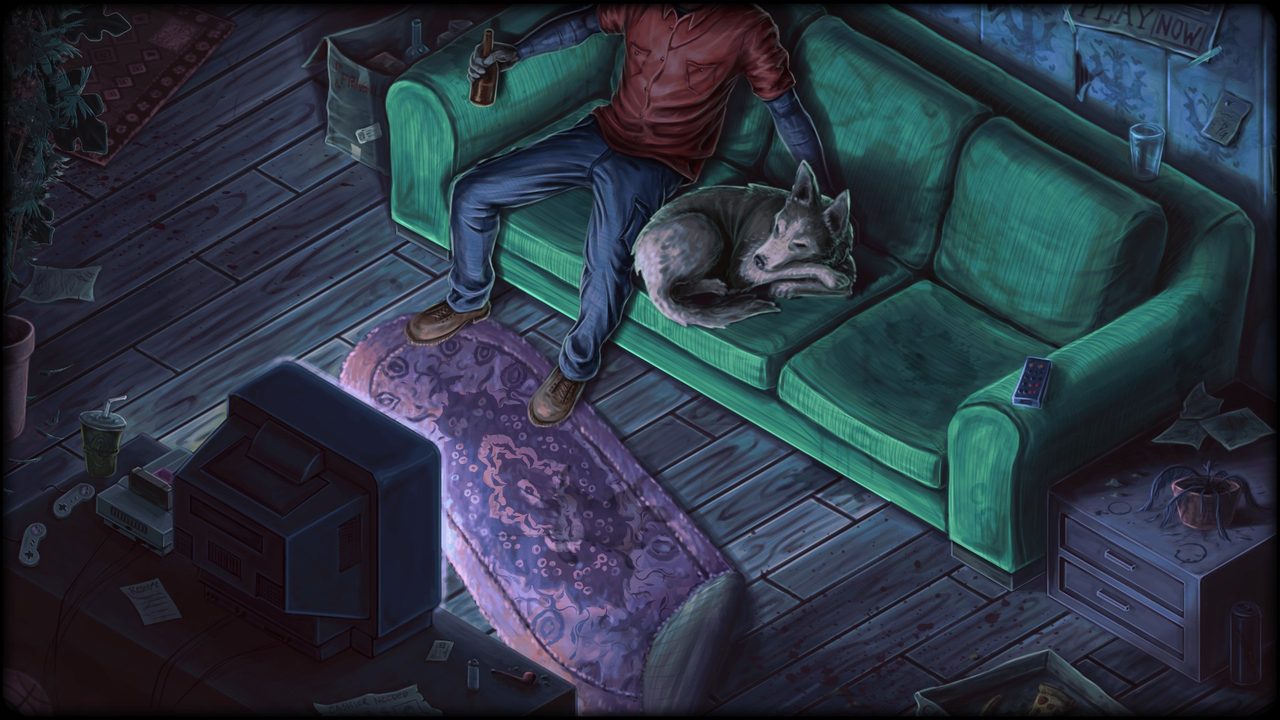
They are more than copies. The game’s dialogue says they come from fear, insecurity and guilt, and that letting those feelings overwhelm you lets the copy take over. The counter check still works because the resident record is factual and the copy is working from a story.
The game records the Calendar Killer as a news threat: eight victims on the 8th of the month, with a broadcast warning and a month when the killer did not strike. There is no separate in-store boss with that name in the game.
Victor Hale is a private investigator in the resident records. The case file records him as human in cases 128, 129 and 146. He is part of the town’s small details, not a confirmed special monster.
The shrine voice talks about guilt, debt and kindness, and asks you to come into the forest. The event itself is a three-stage bucket fill with a token reward. The game does not give a clean good-or-evil answer; treat the voice as another part of the town’s bargain.