01
Check the ID
Scan the card, open the record and compare the photo, status, job and listed features.

Night shift survival guide
Work the counter, read the ID, ask the right question and survive what comes through the door. This is the guide for the shift you are actually playing, not a generic game overview.
Three tools solve the three problems players bring to this game: is this customer real, where am I in the story, and can I still save the pet?
Pick the ID, compare the resident record and tick what you actually see. The result tells you whether you have enough evidence to act.
Run the check →02 · ProgressSee the next shift, its fixed event and the jobs that matter. Save your place on this device.
Find your shift →03 · FinishCompare personal funds, shifts left and take-home pay against the $250 surgery. See whether the True Ending is still reachable.
Plan the ending →Counts come from the game’s own ID database, car registry and end-of-shift reports. A recorded case is one encounter, not a permanent label on the name.
A night-shift store game where the customer is the test.
Shift at Midnight is a horror game set in a small convenience store on the edge of Midnight Town. You work the late shift, serve customers, keep the shelves full and try to finish the night before something gets in.
The run is 13 shifts. Each night mixes ordinary store work with a story beat or a random event: a hunt, a driver at the pump, a trip into the forest or a customer who is not the person on the card. The money you bank also decides whether the pet gets the $250 surgery and which ending you reach.
The counter is the heart of the game. The customer can lie; the ID record cannot. That is why the guide starts with the record, not with a name.
See the 13-shift route →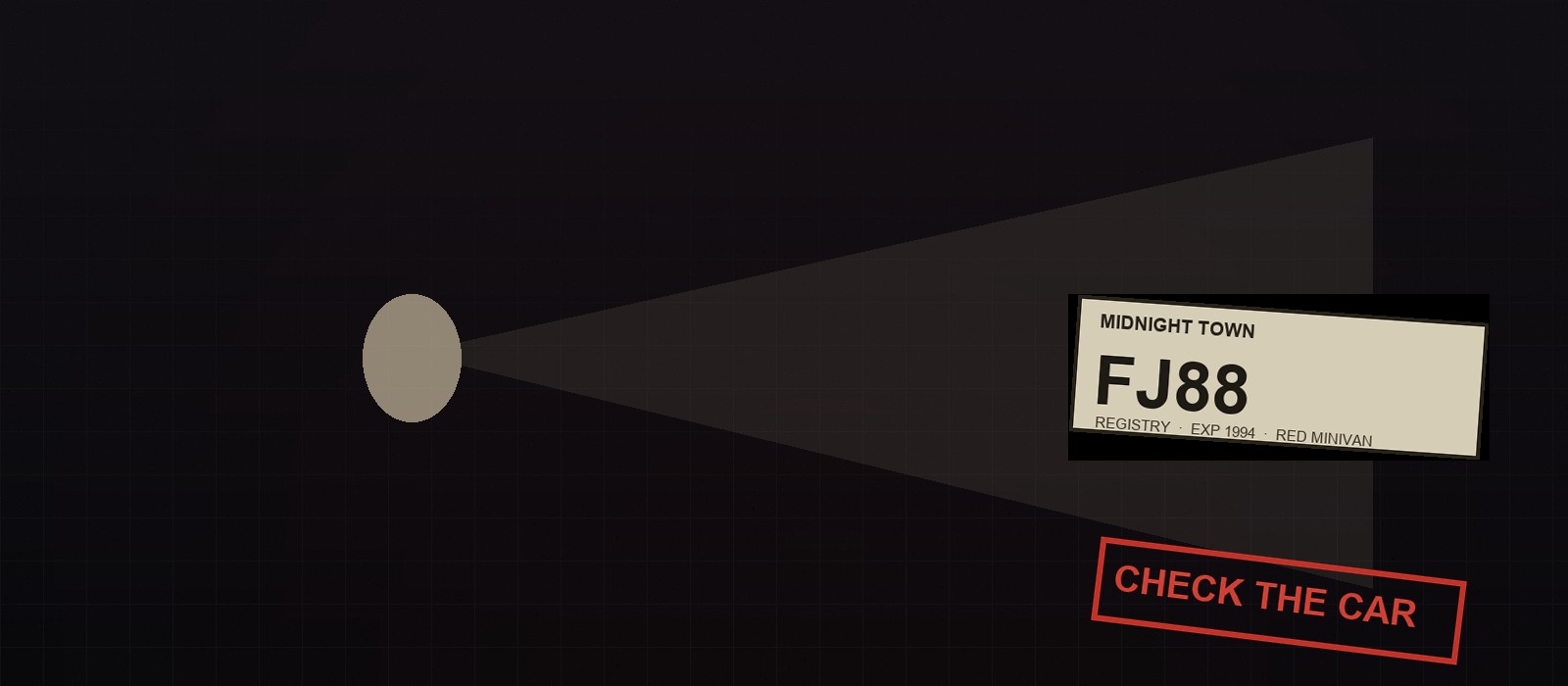
The counter and car checks, the 13-shift route, the store objectives, the forest bucket, every threat, the four endings, all 10 achievements and the shop. The tools are built to answer those questions without making you fill in a long form.
If you only remember one rule, remember this: a name is not a verdict. Any resident can be the copy in a new run.
Every night is the same rotation with a different monster on top. If you can name the move you are in, you can find the right page.
Scan the card, open the record and compare the photo, status, job and listed features.

Stock the shelves, mop blood, clear trash, catch rats and keep the rating above the line.
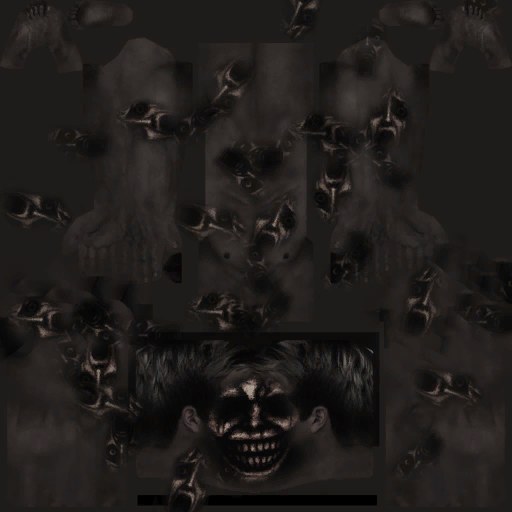
Board the doors, lay the right trap and take the weapon that matches the threat.
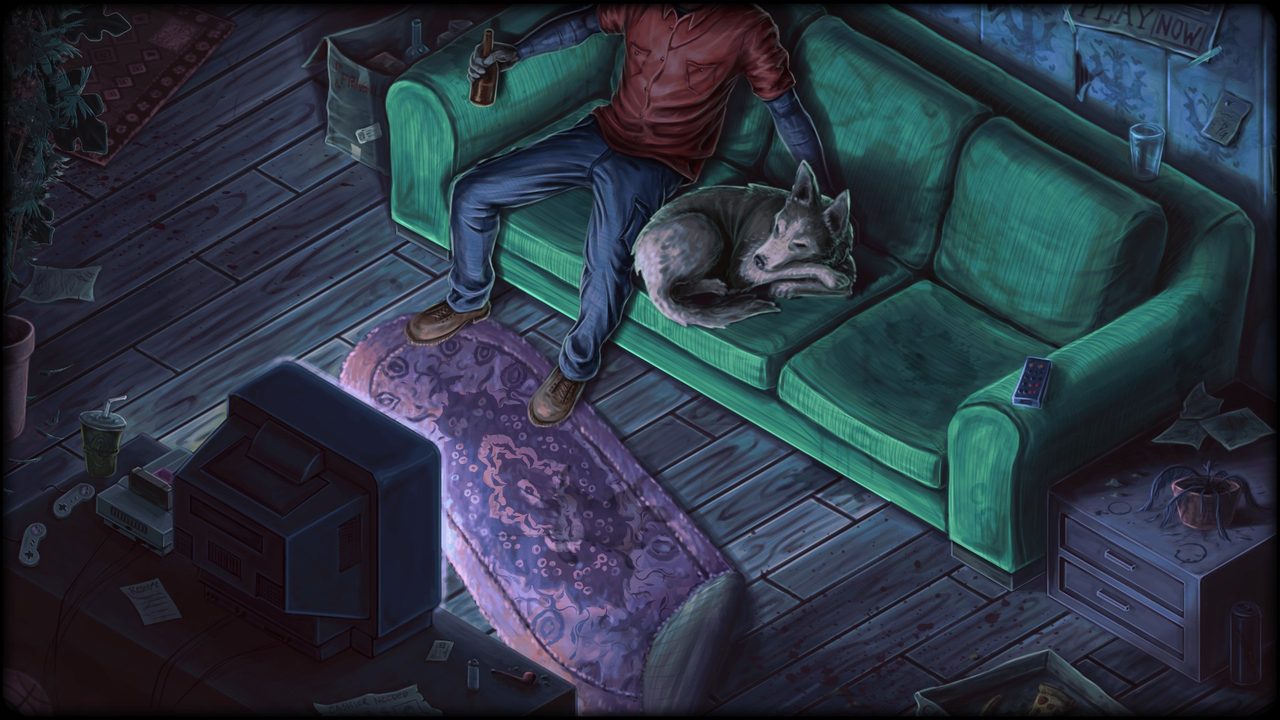
Bank personal funds, decide what to do about Clyde and reach the ending you planned.
Go straight to the problem in front of you.
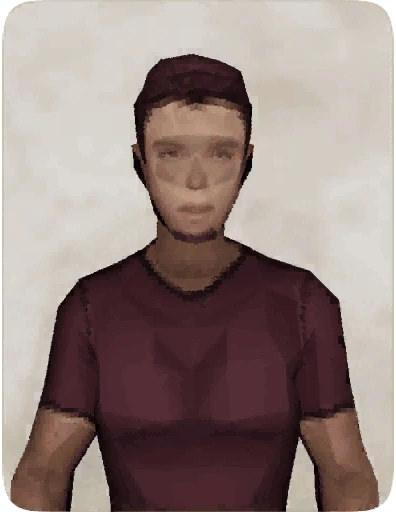 Start hereDoppelganger guideThe full resident database, 163 recorded encounters and the evidence checker.→
 CarsOutside doppelgangerThe gas pump protocol, all 17 plates and the driver cases that fail the check.→Walkthrough13-shift walkthroughEvery fixed story beat, the random nights and a tracker for the shift you are on.→ThreatsMonster survival guideThe Entity, Demented, Doll, Marionette and Dentist, with the counter for each.→
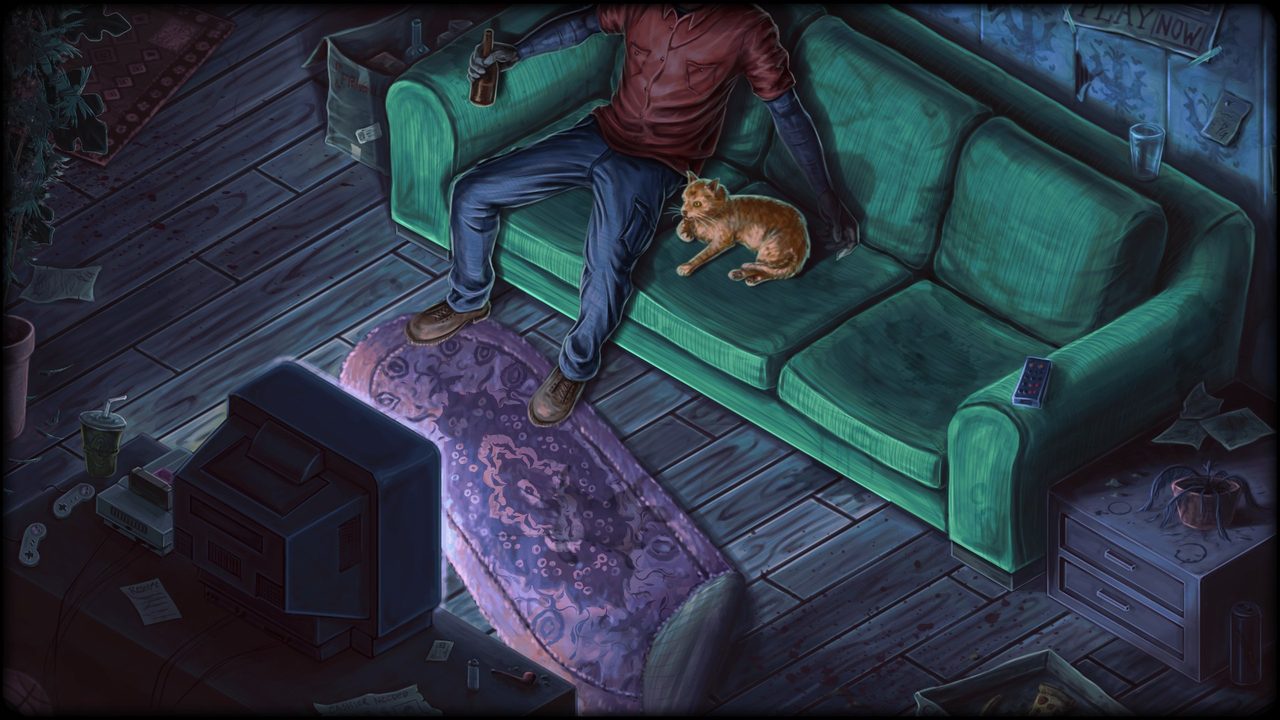 EndingsAll endingsTrue Ending, Grave Decision, Empty Home and the $250 surgery planner.→
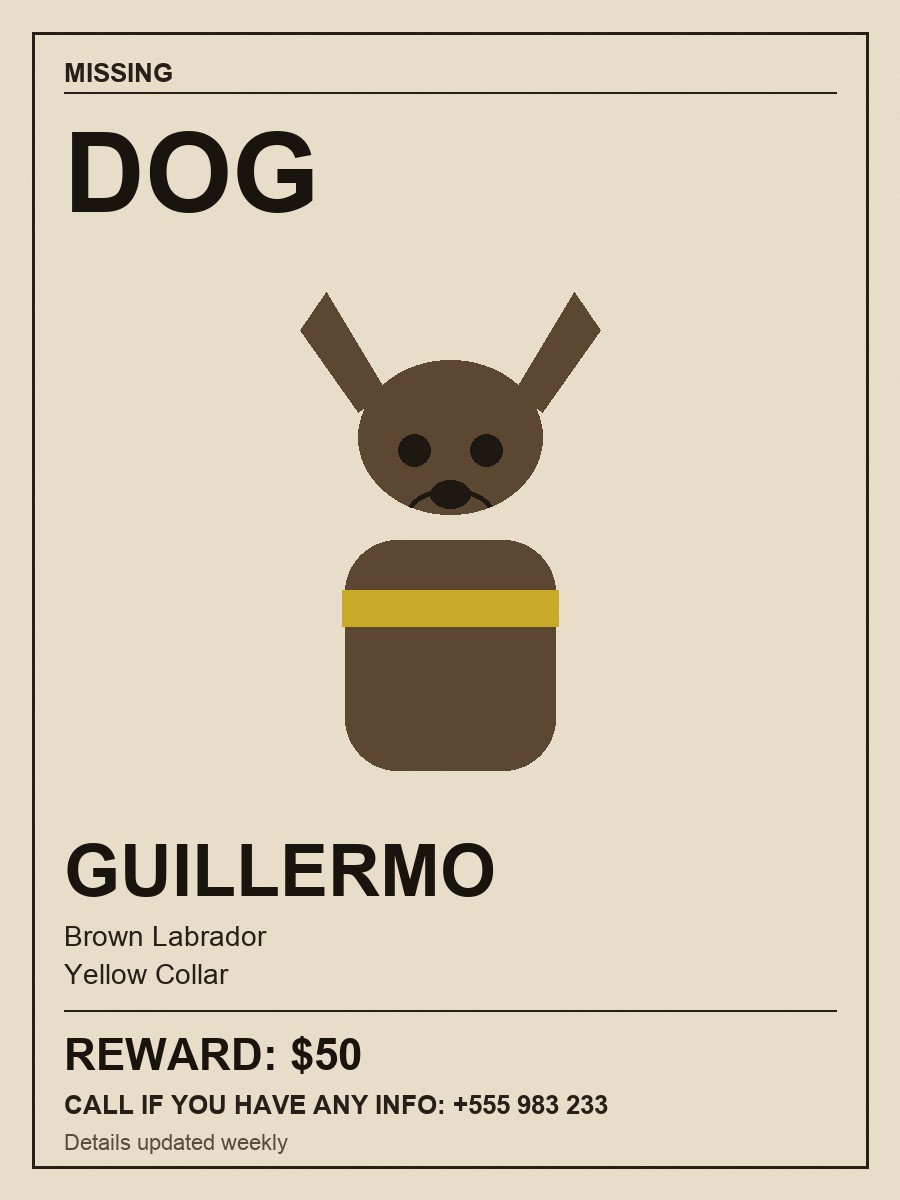 SecretsMissing dog posterWho Guillermo is, and why the poster is not a secret quest.→
 ObjectivesQuest guideStore tasks, generator, gas pump, forest, shrine and the objectives that stall.→CompletionAchievementsAll 10 unlocks, the three ending trophies and a local completion tracker.→
Full shop catalog and budget planner →·Read the town lore →·Shelf or restock stuck? →
Story mode has 13 shifts, but not every night is scripted. Prepare for the fixed beats; the rest comes from the random events.
Any resident can be the impostor in a new run. The same name can be human in one recorded case and a doppelganger in another. Scan the ID, compare the record, confirm a second detail and only then decide.
Open the evidence checker →Scan the ID card, open the resident record and compare the photo, name, date of birth, status and listed appearance. Only then ask about the details that do not line up.
Story mode can be played solo, and the same counter rules apply. In multiplayer, the game asks the group to agree before someone fires; in solo, the database is what you trust.
A shift is a full store night, not a fixed timer. The pace depends on how quickly you serve customers, finish the chores and handle the events. The end-of-shift report is the checkpoint.
The shift report records a human killed and applies a penalty. It can also affect the quota and the ending run. Treat a human kill as a mistake to avoid, not a shortcut.