BerryCarrotGarlicHerbJalapeñoPotatoTobaccoTomatoZucchini
Seeds are found in the world and in containers. Drop rates are not given, so none are claimed.
Permafrost · Survival
Farming is a small system with a fixed set of parts. The tables show what each planter holds, where seeds and crops come from and what the stations do.
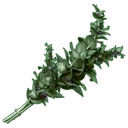 Herb seeds and plants
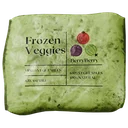 Vegetables for the stove
 Fertiliser keeps crops productive
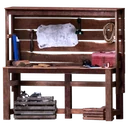 Farming Station manages planters
Capacity is written on each planter. Build the smallest one that fits the harvest you actually cook.
| Planter | Description |
|---|---|
| Planter 1 x 1 | A small planter for growing a single crop. |
| Planter 1 x 2 | Planter that can have up to 2 plants |
| Planter 1 x 3 | Planter that can have up to 3 plants. |
| Planter 2 x 2 | Planter that can have up to 4 plants |
| Planter 2 x 3 | Big planter that can have up to 6 plants. |
Seeds are found in the world and in containers. Drop rates are not given, so none are claimed.
Harvested crops feed the stove. The game gives no growth times, so they are not listed.
Cooking needs a base ingredient plus a flavour. Vegetables and herbs cover the flavour slot; meat covers the base. A small herb and vegetable plot removes the gathering trip for every meal.
Two-slot cooking rule →The Water Tank keeps nearby crops watered and the Composter or Fertilizer Bin keeps nutrients up. Build them beside the planters rather than across the base: the descriptions describe them as local support structures.
Farming has four moving parts: planters, water, nutrients and a station to manage them. Put them together and the loop runs itself.
Start with one 1×2 or 2×2 planter rather than filling a room. The planter descriptions give the exact capacity, and a smaller footprint is easier to keep watered. Put the Water Tank beside the planters: its description frames it as a local reserve for nearby crops, not a base-wide supply.
Add the Composter or Fertilizer Bin next to the same cluster. The bin stores the nutrients that keep crops productive, so the walk between harvest and fertiliser should be short. The Farming Station is the management hub: build it once, near the plot, and use it to check the planters.
Keep the plot inside the heated part of the base. A foundation, three walls and a roof already count as shelter, and the interior sits around -13 °C, which is warm enough to work in without a coat run every few minutes.
The stove needs a base and a flavour. Meat covers the base; the garden covers the flavour, which is why herbs and vegetables are the most valuable crops.
Herbs are a flavour on their own and also make Improvised Tea. Vegetables such as tomatoes, potatoes, carrots, zucchini, garlic and jalapeños fill the food slot and combine with meat or canned bases. A single herb planter keeps a steady supply of the most-used flavour.
Coffee beans make Improvised Coffee, which warms and energises. Berries feed the fruit recipes and preserves. Tobacco is a trade and comfort crop rather than a cooking one. None of them replace meat as a base, so keep hunting alongside the garden.
Cooking combinations →A farm inside the heated part of the base keeps working through the night; a plot outside does not.
Shelter is a foundation, three walls and a roof. Inside that footprint the temperature sits around -13 °C, warm enough to work without a full cold set. Put the planters there, with the Water Tank and Composter against the same wall so the loop stays short.
A planter outside is still useful for overflow, but every harvest becomes a coat trip. The 2×3 planter holds six plants and is the most efficient use of indoor floor space once the base has a spare room.
Planter 1×1 holds one, 1×2 holds two, 1×3 holds three, 2×2 holds four and 2×3 holds six. The game’s description for each planter states the capacity.
A Farming Station to manage planters, a Water Tank to keep crops watered, a Composter or Fertilizer Bin for nutrients, and planters with seeds.
Seeds are found in the world and in containers; the game includes herb, tomato, potato, zucchini, carrot, garlic, jalapeño, berry and tobacco seeds. It gives no drop rates, so none are listed.
It is the hub for managing planters and growth. Build it beside the plot so the walk between the station and the crops stays short.
Yes. A planter has a fixed number of plant slots, from one on the 1×1 up to six on the 2×3, and each slot can hold a crop.