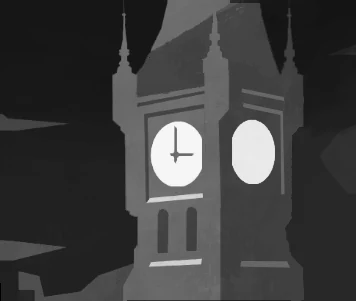
Read the current reputation before you take the quirk. A rule that adds pressure is not a bargain if the resource is already short.
Hard quirkOffice
This quirk changes the reputation, time in Office. The effect is the starting point, not a universal ranking.
The effect
You lose 4 reputation if you reach the 24th hour without solving the case.
KindHard quirk
RegionsOffice
Earliest tierOffice 5
ChangesReputation · Time
Role requirementNone listed
ConflictNone listed
Rule typeHard
Where it appears
Where Ticking Clock can be offered
Earliest tier: Office 5. The quirk can still be a poor fit for the case in front of you.
Region fit
What this quirk costs in each region
| Region | Offered? | Earliest tier | What the region charges |
|---|---|---|---|
| Office | Yes | Tier 5 | 2 hours per investigation; 1 per arrest |
| Casino | No | — | 2 chips × the current multiplier |
| Docks | No | — | 1 fuel + grid distance per move |
Ticking Clock starts in Office tier 5. The table is the standard offer; a special-mode quirk can still appear outside it, so read the mode rule on the card.
Take it or leave it
When Ticking Clock is the right choice
This is a hard quirk that changes the reputation, time. It can still be the right pick, but only if you can absorb the extra hours cost.
Take it if
The extra pressure matches the next region and you have a plan for the resource it changes. You lose 4 reputation if you reach the 24th hour without solving the case.
Skip it if
You are already short of hours, or another offered quirk removes the problem instead of adding a second one.
Next case
How to test Ticking Clock in the next case
The effect on the card is only half the decision. Ticking Clock touches the reputation, time and is paid for in hours, so check that change before you accept the offer.
Reputation fit
The same quirk at different reputation
Poorit is a hard quirk, so take it only if the offered alternative is worse or you can absorb the extra risk
Goodit is a hard quirk, so take it only if the offered alternative is worse or you can absorb the extra risk
Excellentit is a hard quirk, so take it only if the offered alternative is worse or you can absorb the extra risk
Reputation is only one input. The other two quirks on offer, the next region (Office) and your current hours can outweigh this order.
Same part of the case
Quirks to compare with Ticking Clock
These 4 quirks are listed because they share $a region with Ticking Clock (Office). Compare the cost in $hours, not just the upside.





Compare the offer
Put Ticking Clock against the other two
Ticking Clock lists no conflict; the advisor compares the rule, region and reputation fit, then shows the first alternative in $Office.
Ticking Clock questions
What does Ticking Clock do in Dupery?
You lose 4 reputation if you reach the 24th hour without solving the case. Read the timing and conflict before you commit.
Which regions can offer Ticking Clock?
Office. Hard quirk. It has no role requirement listed on its card. Earliest: Office tier 5.
Should I take Ticking Clock?
Hard quirk. Take it when you can absorb the extra office cost outweighs the other two offers; the card effect alone is not the whole decision.
Is Ticking Clock good at poor reputation?
At poor reputation the main read is: it is a hard quirk, so take it only if the offered alternative is worse or you can absorb the extra risk. Compare that with the other two offers in Office and the resource the quirk changes before you take it.
What should I compare with Ticking Clock?
Compare the other two offers in Office at tier 5 or later. It has no named role requirement. No conflict is listed on its card.